-
Your shopping cart is empty!
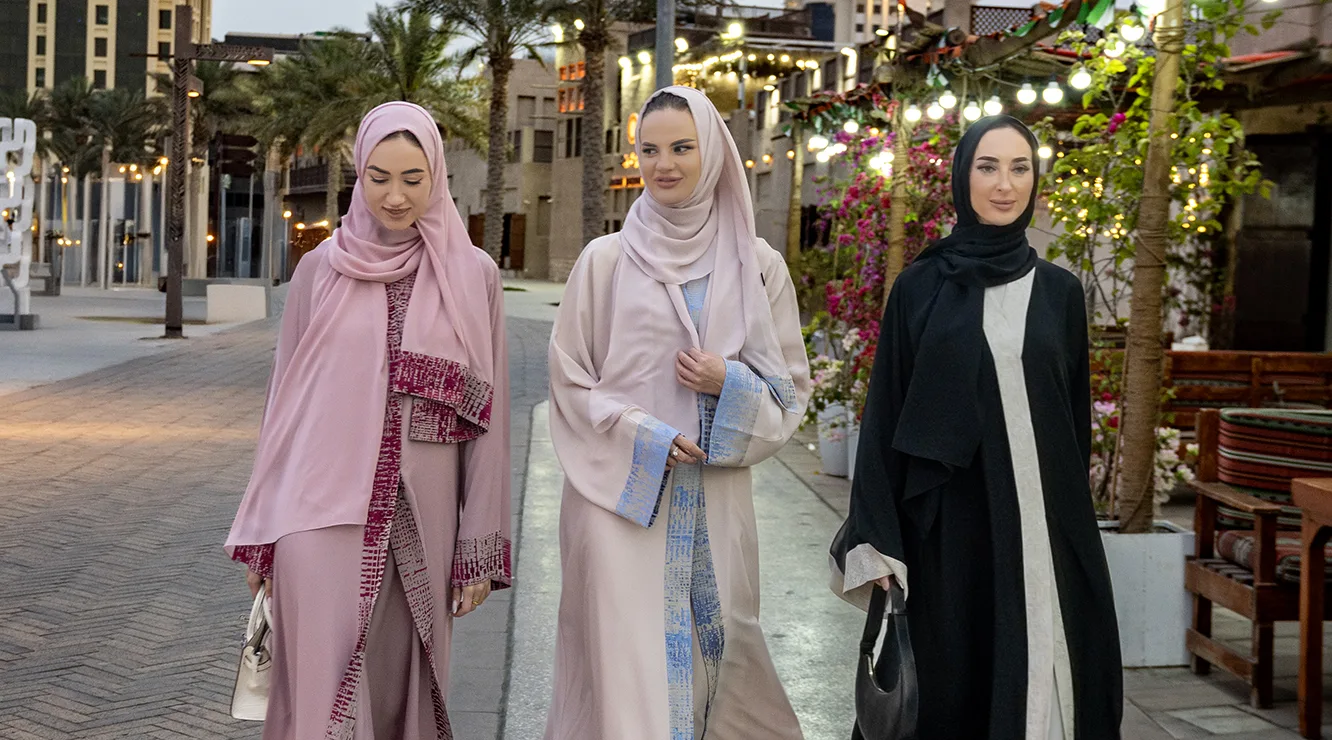
Choosing the right abaya for the workplace goes far beyond simply picking an attractive design. It means focusing on breathable fabrics that keep you comfortable under office lighting, selecting cuts that maintain modesty without restricting movement, and making styling decisions that convey professionalism while staying true to your individual style.
A well-chosen work abaya can enhance confidence, support productivity, and leave a lasting impression in professional settings. In this guide, we break down the key factors that matter most, share insights backed by research and real-world examples, and provide a practical checklist to help every professional woman create a versatile, dependable abaya wardrobe that works as hard as she does.
Why an intentional work abaya matters
Clothing plays a powerful role in shaping how we are perceived and how we perform at work. Studies in organizational psychology highlight the idea of enclothed cognition — the way what we wear can subtly influence both our confidence and the way others judge our competence. For professional women, a thoughtfully chosen, workplace-appropriate abaya can project credibility while ensuring comfort throughout long hours at the office.
As workplace dress codes evolve, many companies now embrace a business-casual approach, though expectations still vary depending on industry, position, and location. In fact, recent surveys show that around 40% of employees opt for business-casual attire, creating a flexible space where a tailored, well-fitted abaya can strike the perfect balance between elegance, professionalism, and personal style.
Choosing the Right Fabric for Comfort and Authority
When it comes to selecting a work abaya, the fabric is the most important decision you’ll make. It doesn’t just influence the way the garment looks—it directly affects comfort, breathability, drape, and even how polished you appear throughout the day. A carefully chosen material ensures that your abaya supports you during long commutes, demanding office hours, and client-facing moments where presentation matters.
1. Natural and Breathable Fabrics
For everyday wear in hot or humid climates, natural fabrics are your best friend. Cotton and linen are timeless choices, known for their ability to wick away moisture and keep you cool during long working hours. They’re lightweight, comfortable, and ideal for women who spend a lot of time commuting or moving between meetings. Viscose is another excellent option—its smooth texture and fluid drape create an elegant silhouette without sacrificing comfort. If you’re working in environments with heat or humidity, lean toward natural fabrics or blends that allow your skin to breathe.
2. Lightweight Performance Synthetics
Modern fabrics have come a long way from their sporty reputation. Blends of micro polyester, especially those with moisture-wicking finishes, can be surprisingly comfortable and durable. These fabrics are wrinkle-resistant, resist pilling, and maintain their shape throughout the day—making them perfect for structured abaya designs worn in air-conditioned offices. To maintain a professional aesthetic, opt for matte finishes and tightly woven blends rather than shiny or sheer options. This ensures that your work abaya looks polished without veering into casual or athletic territory.
3. Luxury Fabrics for Professional Impact
For management-level roles, client meetings, or high-profile presentations, luxury fabrics elevate the abaya from everyday workwear to a statement piece. Silk, silk blends, and satin provide beautiful drape and a sophisticated sheen that instantly communicates elegance and authority. The trade-off is care—these fabrics can crease easily and often require delicate handling. For this reason, it’s best to reserve silk or satin abayas for occasions when you need to make a lasting impression.
4. What to Avoid for Daily Office Wear
Not every fabric is suited to a professional wardrobe. Heavy, non-breathable textiles such as thick brocades or velvets may look striking but can be impractical for work. They trap heat, restrict movement, and often feel uncomfortable during long hours. While they may have their place in evening or special-occasion abayas, they’re best avoided for daily professional use.
Tailoring and Fit: Where Modesty Meets Power Dressing
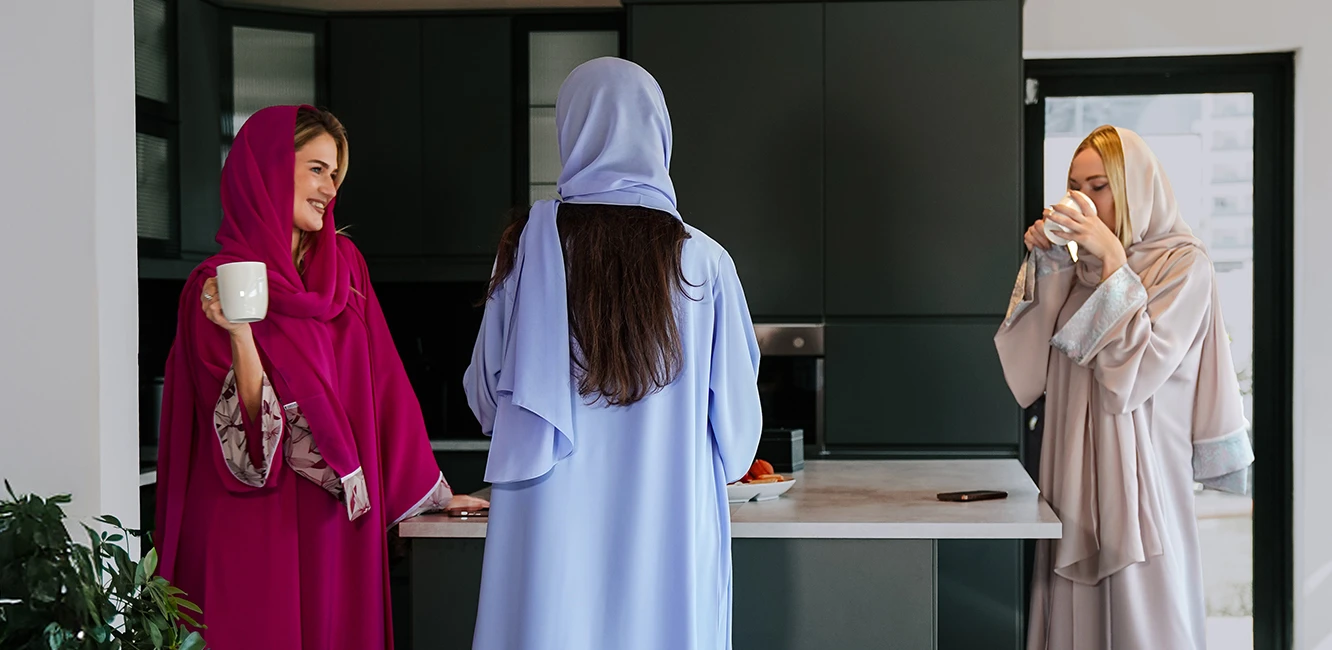
A professional abaya should do more than provide modest coverage—it must also empower the wearer to move with confidence and ease. The design details make all the difference, transforming a simple garment into one that communicates authority, elegance, and professionalism in the workplace.
1. Shoulder and Sleeve Design
Structured shoulders immediately elevate the silhouette, giving the abaya a sharp, corporate feel that works beautifully in office environments or client-facing roles. Subtle tailoring around the shoulder line can define posture and create a polished look. Sleeves, meanwhile, need to balance form and function. Whether through soft pleats, tailored kimono cuts, or cuffs with extra ease, the goal is to allow natural arm movement without compromising on refinement.
2. Length and Hemline
The ankle-length abaya remains the gold standard for professional wear. It’s modest, elongates the figure, and exudes timeless elegance. That said, women in mobile professions such as hospitality or events management may find slightly shorter hems more practical. When opting for a shorter length, ensure the hem is neatly finished and crafted from high-quality fabric so that the abaya maintains its professional edge without veering into casual territory.
3. Side Slits and Underlayers
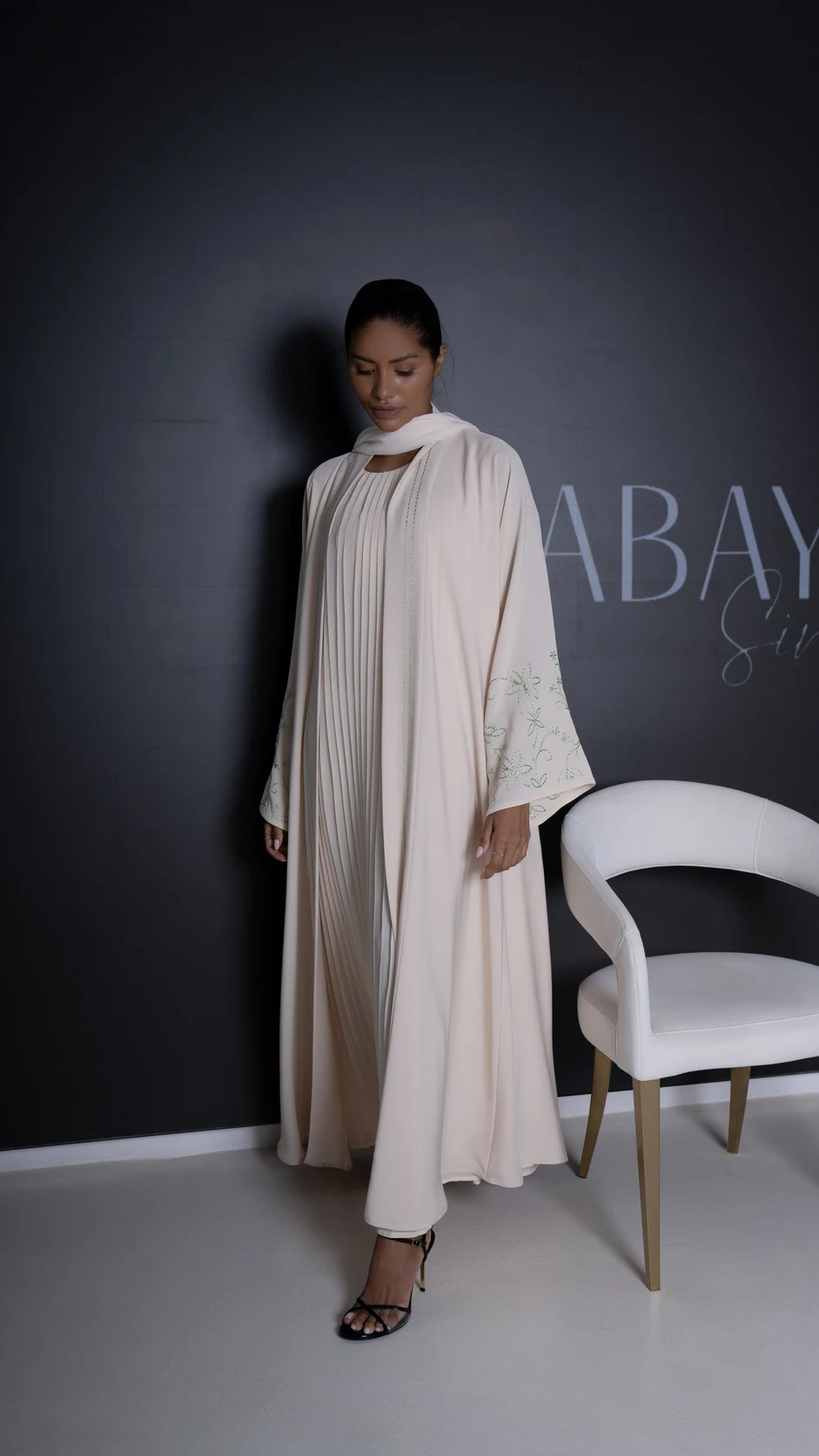
Functionality doesn’t have to come at the expense of modesty. Discreet side slits or a subtle kick pleat can dramatically improve stride and comfort, especially during busy workdays. To maintain coverage, pair these with a lightweight inner slip or tailored straight-leg pants in a coordinating color. This layered approach not only protects modesty but also enhances the sophistication of the overall look.
4. Balancing Volume and Shape
Striking the right balance between volume and structure is essential for a professional abaya. Too much looseness can feel overly casual, while excessive tailoring may restrict comfort. A strong shoulder line paired with vertical paneling or a gently tapered hem achieves the perfect middle ground. The result is a silhouette that feels commanding yet graceful, ideal for professional environments.
Colour and Detail: Professional Elegance in Every Hue
The color palette and surface details of a work abaya play a powerful role in shaping how it is perceived. The right shades and subtle design elements can reinforce authority, highlight creativity, or signal approachability—all without compromising modesty.
1. Neutrals for Authority
Classic neutrals are timeless in professional wardrobes, especially for women in conservative or executive roles. Black, navy, charcoal, deep olive, and beige are dependable shades that project authority and composure. These hues pair seamlessly with minimal accessories, allowing the abaya itself to communicate quiet strength and professionalism.
2. Soft Neutrals and Pastels for Modern Offices
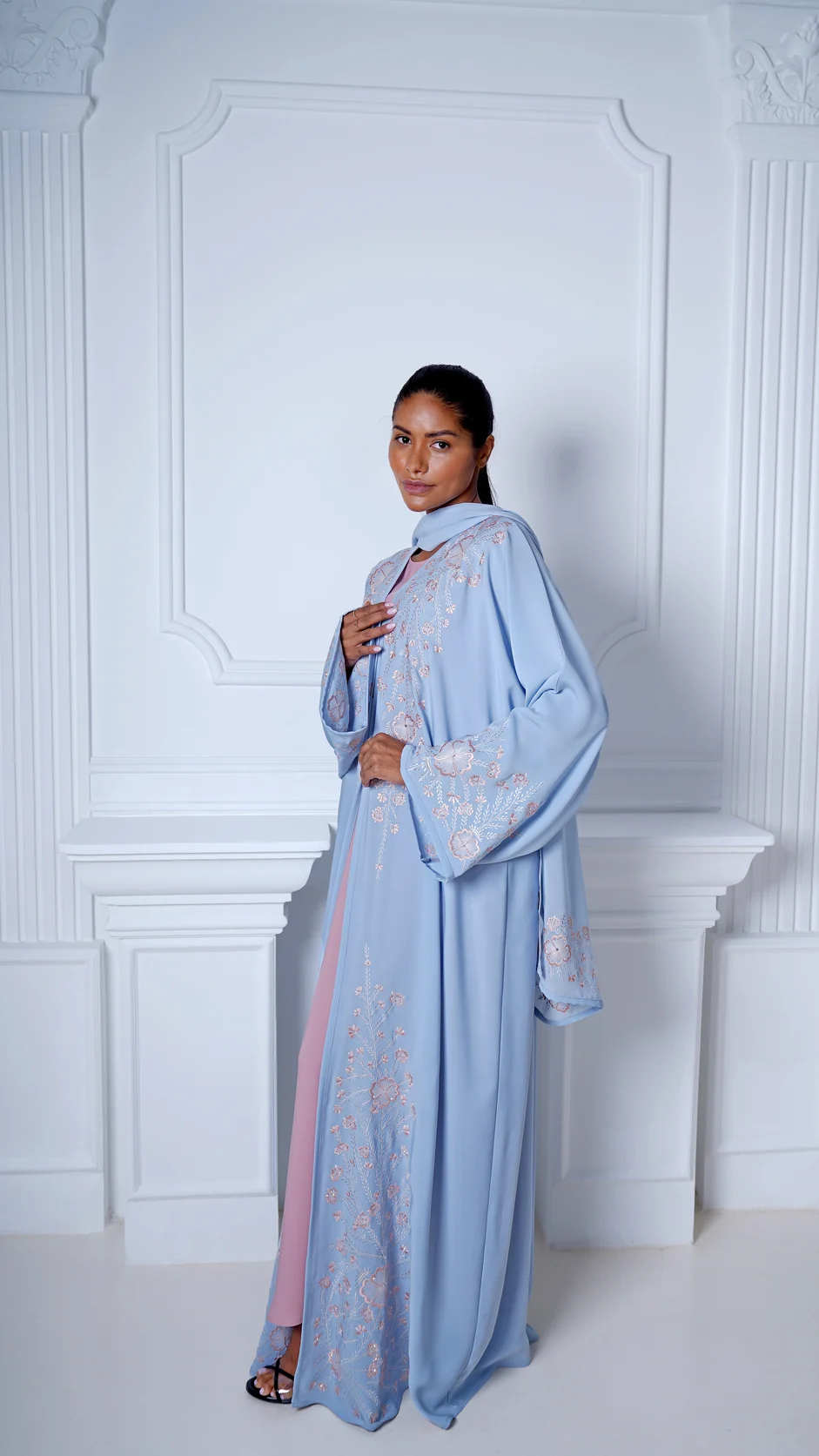
In contemporary workspaces—particularly in creative industries or client-relations roles—softer tones can strike the right balance between professionalism and approachability. Muted pastels such as dusty rose, slate blue, or stone gray introduce a gentle warmth that feels modern without being distracting. These shades are especially effective for settings where building rapport and accessibility are key.
3. Minimal Patterns and Tonal Details
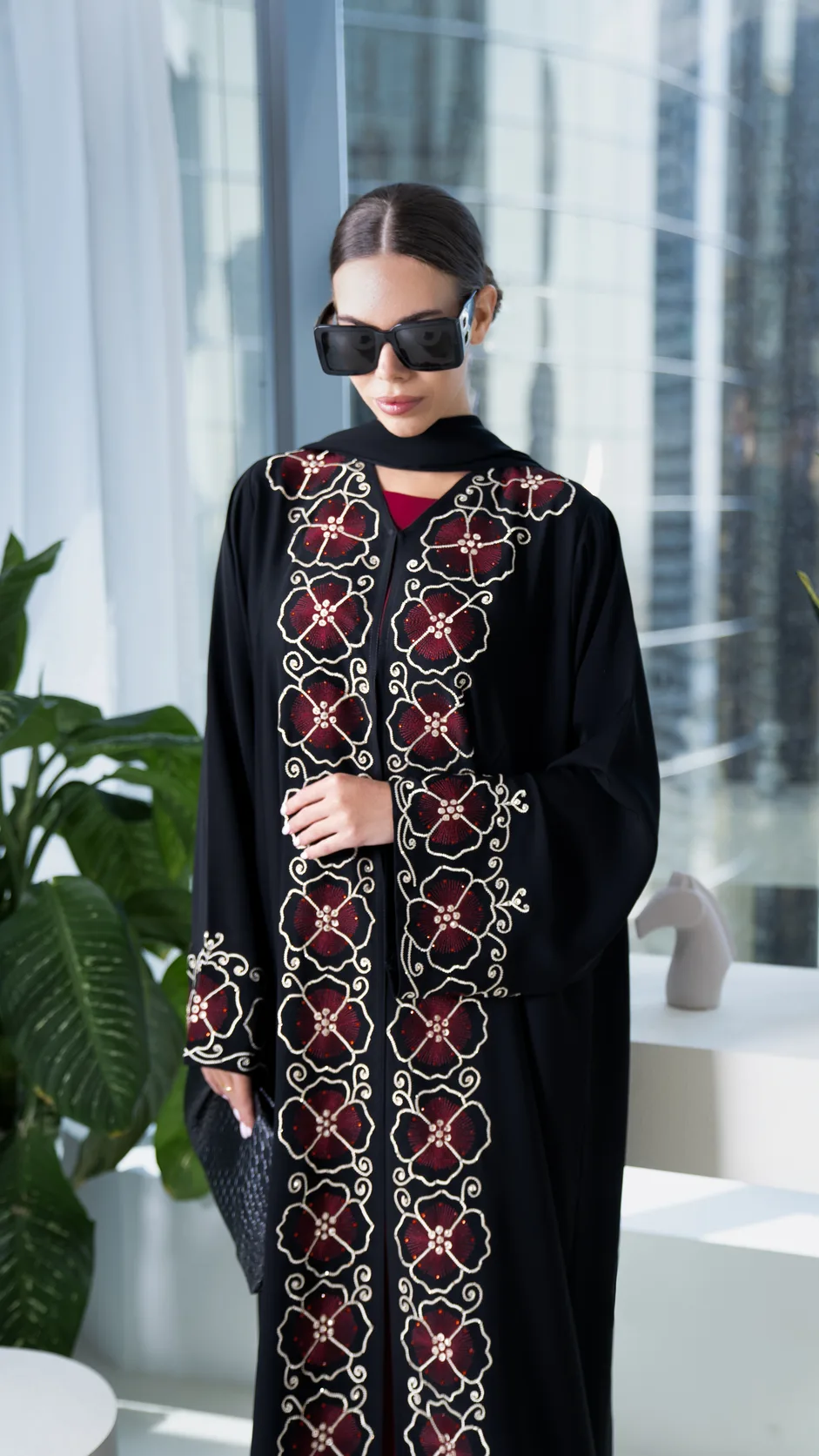
Patterns can easily overwhelm a professional abaya, so the key is subtlety. Think tone-on-tone embroidery, discreet jacquard textures, or fine pinstripes that add dimension without disrupting a polished appearance. These understated details create individuality while maintaining the professional codes of office wear.
4. The Role of Texture
Texture influences perception just as much as color. Matte weaves and understated finishes always read more formal than high-shine fabrics. For women who want to add interest without sacrificing professionalism, textured panels, structured trims, or fabric blocking can serve as tasteful focal points. The secret lies in restraint—less is often more in a workplace abaya.

Functional details that matter
While fabric, cut, and color define the overall look of a professional abaya, it’s often the small details that determine how practical and effortless it feels in daily wear. Thoughtful design elements make the garment not only elegant but also genuinely functional for the demands of modern working life.
Pockets with Purpose
Discreet, well-placed pockets are more than a convenience—they’re a necessity for professionals. Deep pockets designed to hold business cards, pens, or small essentials allow you to move through meetings and commutes without juggling a handbag for every minor item. When crafted seamlessly into the silhouette, they remain invisible yet incredibly practical.
Clean and Refined Closures
The way an abaya closes affects both its appearance and ease of wear. Hidden zippers, covered snaps, or a sleek tailored placket create a smooth, uninterrupted line that reads as professional and refined. Ornate buttons may work for occasional or evening wear, but in a workplace abaya, clean closures project polish and authority.
Designed for Layering
A truly versatile work abaya should accommodate layers without adding bulk. Whether worn over a lightweight blazer, styled with a scarf, or carried with a structured handbag, the cut should allow for movement and layering while keeping the silhouette streamlined. This flexibility ensures the abaya transitions seamlessly from office hours to client meetings and after-work events.
Conclusion
Selecting the perfect custom abaya for work is more than a matter of style—it’s a thoughtful balance of fabric science, precise tailoring, and smart styling choices. A professional wardrobe begins with clarity: understanding the demands of your workplace, whether that means long commutes, client-facing roles, or fast-paced office hours. From there, the foundation lies in fabrics that are breathable, durable, and easy to maintain. Tailoring should respect modesty while allowing mobility, ensuring the abaya moves with you rather than against you.
Attention to detail—whether in closures, pockets, or layering compatibility—elevates the garment from simple attire to a tool of empowerment. With the right abaya, a professional woman doesn’t just meet dress codes; she communicates confidence, authority, and elegance while staying aligned with modern workplace expectations.