
-
Your shopping cart is empty!
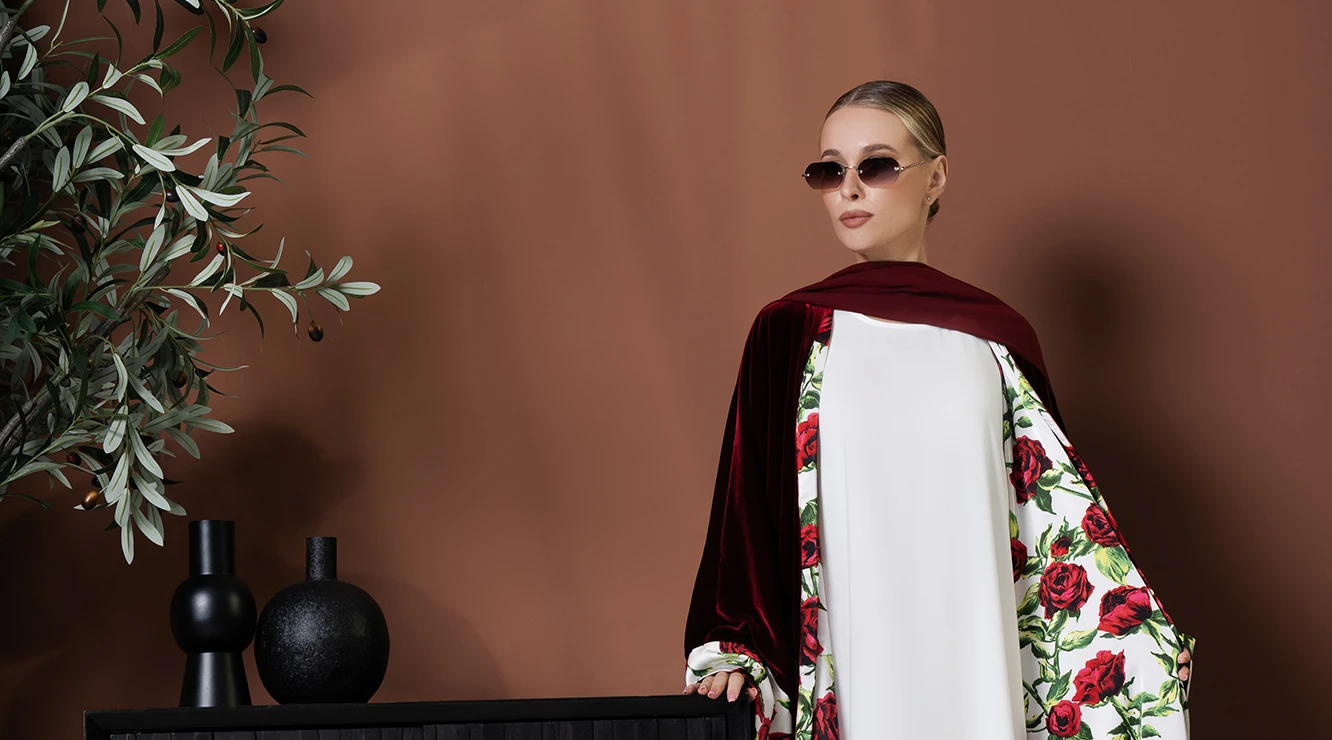
For many Muslim women who value elegance, fine craftsmanship, and thoughtful seasonal dressing, the winter abaya becomes more than a modest layer—it turns into a refined fashion statement. The colder months invite richer textures, structured layers, and luxurious fabrics that provide warmth while maintaining a polished, sophisticated look. Whether it’s a cozy evening in Dubai, a winter majlis gathering, or a trip to a cooler destination, the right styling can elevate a winter abaya from simple to striking. This guide explores practical yet chic ways to style your winter abayas, bringing together cultural heritage, modern aesthetics, and the confident, fashion-forward spirit of today’s Muslim woman.
Winter Abaya: Balancing Modesty, Silhouette, and Warmth
Maintaining the abaya’s modest and elegant silhouette while adding real winter warmth can be a true design challenge. The most refined winter abaya styling keeps the flowing lines intact but enhances them with smart tailoring, layered textures, and balanced fabric weight. This approach brings in the extra insulation needed for colder weather without creating an oversized or bulky appearance. The result is a winter abaya that feels warm, structured, and beautifully polished—perfect for women who want comfort without sacrificing style.
Fabrics and Construction
When temperatures drop, the right fabric makes all the difference in how warm, comfortable, and polished your winter abaya feels. Wool and wool-blend textiles are always a smart choice—they insulate naturally, stay breathable, and hold warmth even in slightly damp conditions, making them ideal for abaya coats or structured, lined designs. Cashmere-blend fabrics are another luxurious option, offering exceptional softness and warmth that elevate any high-end winter abaya or wrap.
For women who prefer a more classic abaya feel, thicker crepes or double-weave materials provide structure and extra insulation without sacrificing elegance. Modern quilted or lightly padded linings, whether down or synthetic, can also be added inside an abaya to increase thermal protection discreetly. And for casual days or travel, fleece linings or brushed interiors deliver warmth and comfort while keeping the silhouette sleek.
Some lightweight fabrics, although beautiful, simply don’t perform well in colder climates. Unlined chiffon, georgette, and delicate silks can feel too thin for winter wear. Similarly, very thin polyester fabrics may trap moisture, leaving the wearer chilled once condensation forms. Insulated or blended polyesters, however, can still work when they’re designed specifically for winter.
Beyond fabric choice, the way a winter abaya is constructed plays a major role in how warm it feels. A full lining creates an insulating barrier and improves the overall flow of the garment. Practical closures—such as buttons or hidden zippers—help prevent drafts compared to open-front designs.
Thoughtful details like raised collars, adjustable cuffs, and slightly longer lengths also help minimize heat loss. Structured shoulders and well-placed darting give enough room for layering without adding bulk, keeping the silhouette refined and flattering.
Layering Strategies — Warmth without Losing Style
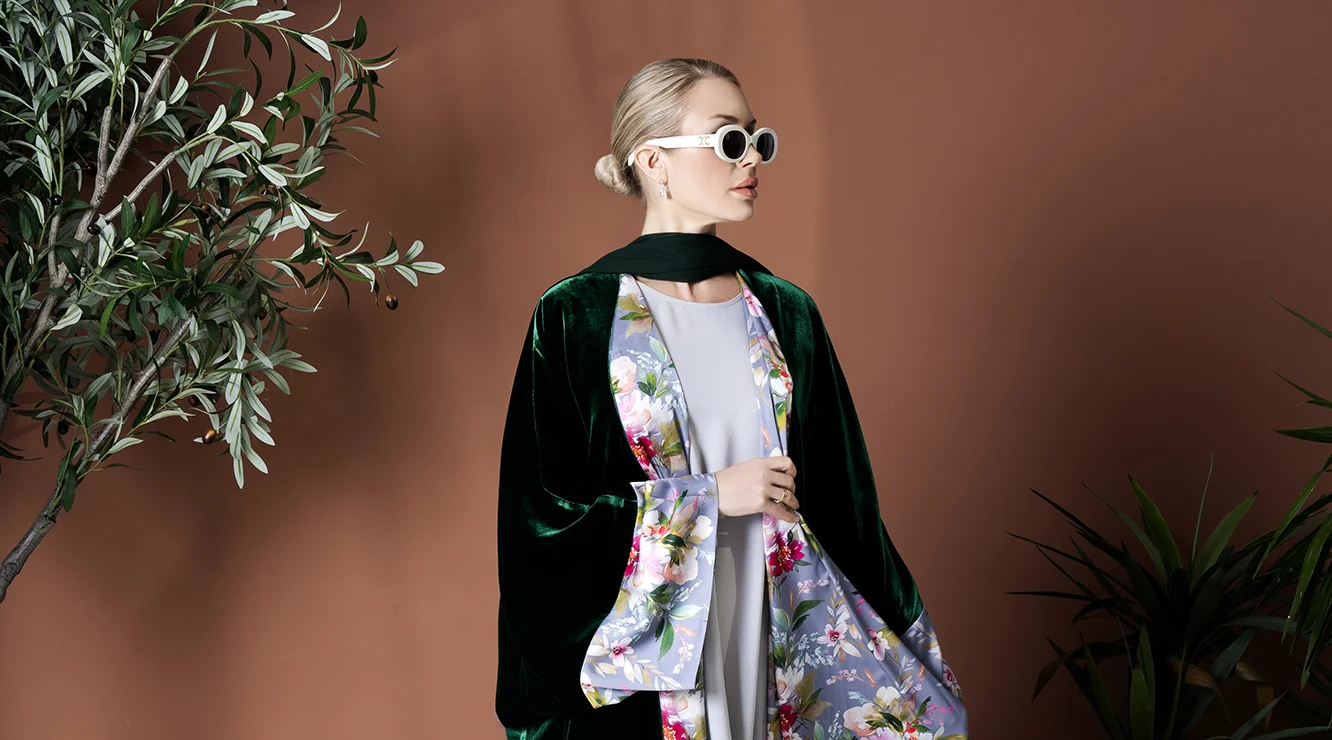
Layering is truly the foundation of elegant winter abaya dressing. When done correctly, it keeps you warm, maintains a clean silhouette, and allows you to adapt your look to different temperatures. A practical winter approach usually includes three key layers: a base layer for warmth, an insulating mid layer, and the abaya itself as the outer layer—sometimes paired with an additional overcoat in harsher climates.
The first layer should sit close to the skin and help regulate temperature. Fabrics like merino wool, modal blends, or high-quality technical thermals are excellent because they wick moisture and keep the skin dry throughout the day. Choose slim, seamless pieces that won’t create bulk under the abaya. A thin neutral turtleneck is especially effective, maintaining a smooth line while offering added warmth around the neck.
Your mid layer provides insulation and style flexibility. Lightweight knitwear—such as cashmere or merino sweaters—adds warmth without overwhelming the silhouette. For a more tailored look, a cropped sweater under an open abaya can subtly highlight the waist. Thin quilted vests or gilets are also great options, giving extra warmth without adding arm bulk, especially under abayas with structured shoulders. Longline cardigans work beautifully, adding both texture and vertical continuity.
The outer layer is where the abaya truly shines. Many winter-ready abayas now come with insulated, quilted, or padded details, blending the practicality of a coat with the elegance of an abaya. For colder settings, a wool coat, a tailored trench, or a structured wrap coat worn over the abaya adds sophistication while providing weather protection. And in rainy climates, a sleek waterproof overcloak helps keep both you and your abaya dry without compromising the overall look.
Cut and silhouette: choosing the right winter abaya
Certain abaya cuts simply perform better during the colder months, especially when layering becomes essential. A-line and straight-cut abayas offer enough room to comfortably fit base and mid layers without distorting the silhouette. Wrap abayas and belted designs are also excellent winter choices—they allow you to adjust the fit for added warmth while keeping the overall look neat and structured, even when wearing multiple layers underneath. For a more elevated finish, structured coat-style abayas with lapels, cuffs, and functional closures combine the practicality of an overcoat with the timeless elegance of traditional abaya design tailoring.
Tailoring Tips for a Warmer, Smoother Fit: Thoughtful tailoring can significantly improve winter comfort. Leaving a little extra space in the shoulders and sleeves—sometimes even half an inch—makes it easier to layer sweaters without feeling restricted. Sleeve length is equally important: longer sleeves help block cold drafts, while buttoned or elastic cuffs create a tighter seal against the wind. As for the hemline, longer, ankle-length abayas naturally keep the legs warmer. However, if you need greater mobility, choosing a slightly shorter cut paired with tall boots offers both practicality and warmth.
Color Palettes and Winter Aesthetics
Neutral Foundations: Winter wardrobes naturally lean toward richer, grounding shades that pair well with textured fabrics and layered silhouettes. Colors like charcoal, camel, navy, deep olive, burgundy, and classic black form a strong foundation for winter abayas. These tones blend effortlessly with coats, scarves, and winter accessories, making them reliable staples for both casual and refined looks.
Seasonal Accents and Trend-Forward Color Choices: To add depth and personality, jewel tones are an elegant choice. Shades such as emerald, deep sapphire, and wine instantly elevate a winter outfit and photograph beautifully—ideal for social media content or brand campaigns. Textural contrast is also a powerful styling tool. Pairing a matte crepe abaya with a glossy leather belt or patent boots creates visual interest without overwhelming the look.
A Practical Note on Color and Warmth: In sunny winter climates, darker fabrics can offer a subtle warmth advantage. Because deeper hues absorb more sunlight, a dark-colored winter abaya may feel slightly warmer outdoors. While the difference isn’t dramatic, it can still add a touch of practical comfort during daytime wear.
Accessories that Add Function and Style
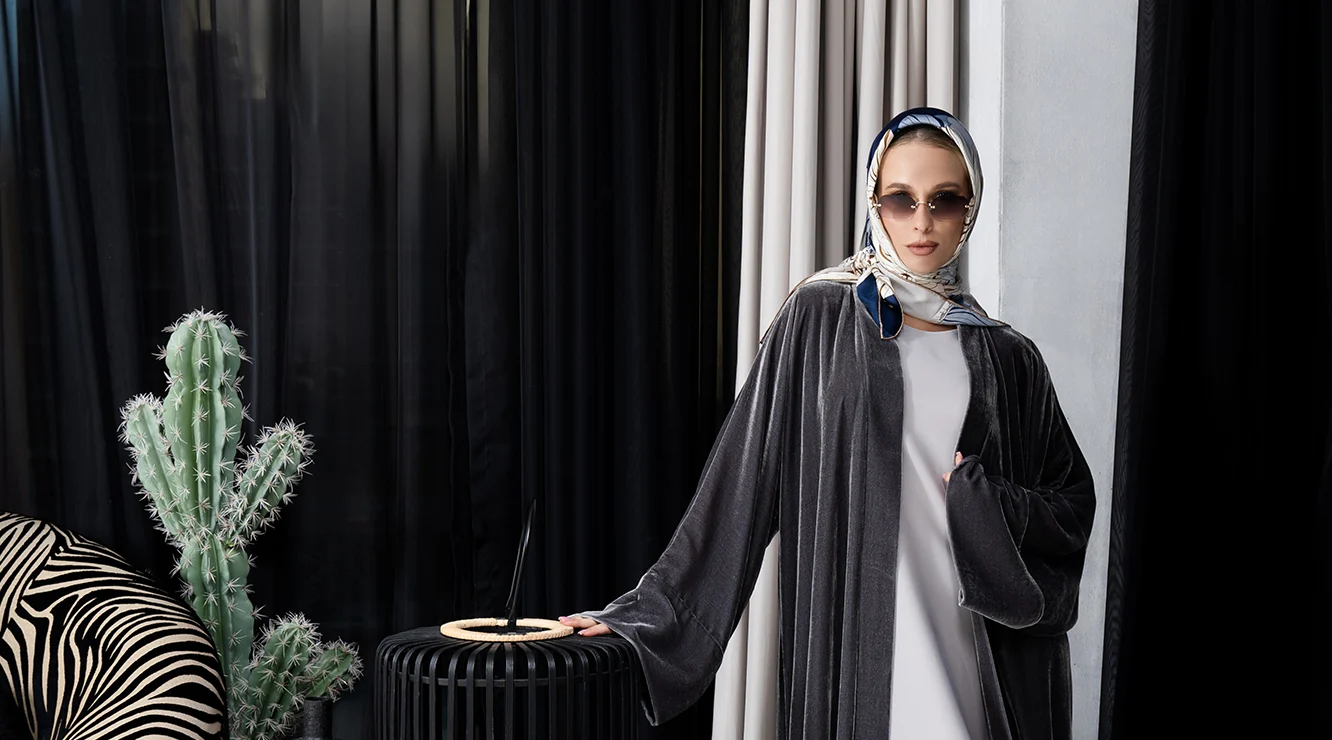
Scarves and Shawls: Winter accessories can completely transform the look and comfort of an abaya. Cashmere, wool, and wool-blend scarves offer the best balance of warmth and softness, making them ideal for everyday wear. If you love the elegance of silk, you can still style it—simply layer a silk scarf over a warmer wrap to maintain both style and insulation. For colder days, start with a thin scarf close to the neck, then add a wider wool shawl on top for extra warmth outdoors.
Belts: Belted abayas are especially useful in winter because they define the waist while helping keep inner layers from shifting. A wide leather belt not only enhances the silhouette but also acts as a subtle wind barrier across the torso, adding function to fashion.
Gloves, Hats, and Head Coverings: Thoughtful accessory choices make winter dressing feel polished. Thermal or leather gloves with soft linings keep hands warm while bringing sophistication to the overall look. For headwear, beanies or structured knit hats work well for casual outfits, while felt hats add an elevated touch to formal styling. When it comes to hijabs or turbans, opt for warmer fabrics—think wool-blend turbans or a silk inner cap paired with a wool outer hijab—to maintain warmth without adding visible bulk.
Footwear: Footwear plays a large role in winter practicality. Knee-high boots are excellent under longer abayas, creating warmth and a smooth visual line. For shorter abayas or layered skirts, ankle boots paired with thermal socks offer a comfortable and stylish option. In wet or icy conditions, choose boots with weatherproof rubber or lug soles to ensure good traction and added safety.
The Right Hijab Fabrics and Styles for Winter
Winter hijab styling has the power to elevate any winter abaya look, adding both warmth and elegance during the colder months. For those who appreciate luxurious fashion, choosing the right fabrics and tones makes all the difference.
Wool and Cashmere Hijabs: Nothing complements a premium winter abaya quite like wool or cashmere. These hijabs feel soft against the skin, offer breathable warmth, and instantly add a refined touch to the overall outfit. Cashmere, in particular, is considered a winter essential for style-conscious women who invest in high-end seasonal wardrobes.
Modal and Heavy Chiffon: For those who prefer a graceful, fluid drape, modal and heavy chiffon are excellent winter choices. Modal provides a beautiful matte finish that pairs well with textured winter abayas, while heavy chiffon maintains elegance without feeling too lightweight for cooler weather.
Neutral or Deep Winter Tones: Winter is the perfect time to explore richer, moodier hijab colors. Shades like navy, mocha, black, and burgundy blend effortlessly with most winter abayas, creating a cohesive and sophisticated look. These tones not only photograph beautifully but also enhance the depth of seasonal fabrics.
Minimalist Winter Pinning: To keep the hijab in perfect shape without risking damage to delicate materials, minimalist styling is key. Magnetic pins, seamless wraps, and modern styling tools allow for a clean, polished finish while maintaining comfort throughout the day. This approach ensures the hijab stays secure and winter-ready without relying on excessive pinning.
Conclusion
Styling a winter abaya is about balancing warmth, elegance, and the refined taste that defines a luxury seasonal wardrobe. Winter fabrics like velvet, cashmere, wool blends, and quilted textures add both comfort and a couture-inspired touch, making the winter abaya a standout piece for the season.
Whether worn for social events, winter travel, or everyday sophistication, a well-styled winter abaya reflects confidence and timeless modesty. By choosing premium materials, layering with intention, and embracing richer winter tones, any winter abaya can look polished and effortlessly chic. With the right details, every cold-weather moment becomes an opportunity to express elegance through your abaya.


