-
Your shopping cart is empty!
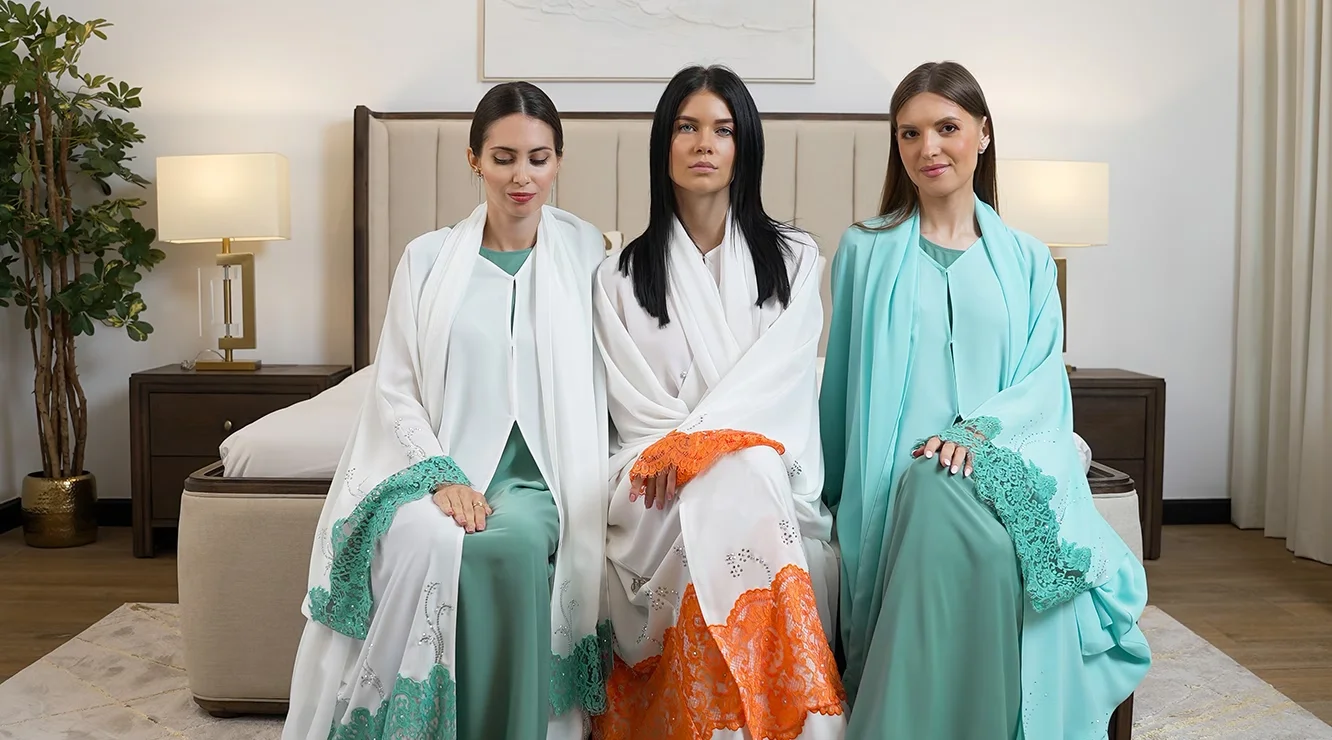
Abayas have long stood as a graceful symbol of modesty, elegance, and cultural heritage. But in today’s evolving fashion scene, customized abayas—especially those featuring unique embroidery—have taken on a new role. They’re no longer just traditional garments; they’re expressions of individuality, creativity, and deep-rooted pride. Whether it’s delicate floral patterns, modern geometric designs, or calligraphy that tells a personal story, embroidered abayas offer a beautiful blend of style and meaning. In this guide, we’ll walk you through the most sought-after embroidery patterns in custom abayas, sharing expert insights, inspiring ideas, and practical tips to help you design a piece that’s as unique as you are.
Why Choose Custom Abayas
There’s something truly special about wearing a custom abaya—it's not just clothing; it's a reflection of your identity. Unlike ready-made styles, a custom abaya gives you full control over every detail, from the fabric and fit to the embroidery and embellishments. In fact, a 2022 survey conducted during Modest Fashion Week revealed that 68% of luxury abaya shoppers prefer personalized elements that speak to their unique tastes. Whether it’s selecting rich silks, adding hand-stitched embroidery, or designing a silhouette that flatters your figure perfectly, the benefits are endless. A custom abaya isn’t just about fashion—it’s about self-expression, individuality, and even honoring cultural roots through meaningful motifs and traditional craftsmanship. For women who want to stand out with elegance and authenticity, nothing compares to the timeless appeal of a bespoke abaya.
Top Embroidery Patterns for Custom Abayas
For years, embroidery has played a central role in transforming abayas into elegant, handcrafted masterpieces. What began as a tradition of hand-stitched motifs passed down through generations has evolved into a rich blend of heritage and innovation. Today, skilled artisans and advanced techniques come together to create embroidery that ranges from delicate and understated to bold and elaborate. Whether crafted by hand or machine, these intricate patterns add a personal and luxurious touch that sets each abaya apart. In the sections that follow, we explore some of the most popular embroidery patterns—each with its own story, symbolism, and modern appeal.
Geometric Designs
For women who love a clean, sophisticated look, geometric embroidery is the go-to trend in modern custom abayas. Featuring sharp lines, diamond shapes, and structured patterns, this style offers a refreshing break from traditional motifs. Often stitched in metallic or contrasting threads, geometric designs bring a subtle edge that feels both contemporary and refined. Perfect for everyday wear or office settings, these abayas strike the right balance between elegance and minimalism. Plus, their understated patterns make them incredibly versatile—easy to dress up with bold accessories or keep simple for a polished, effortless look.
Floral Motifs
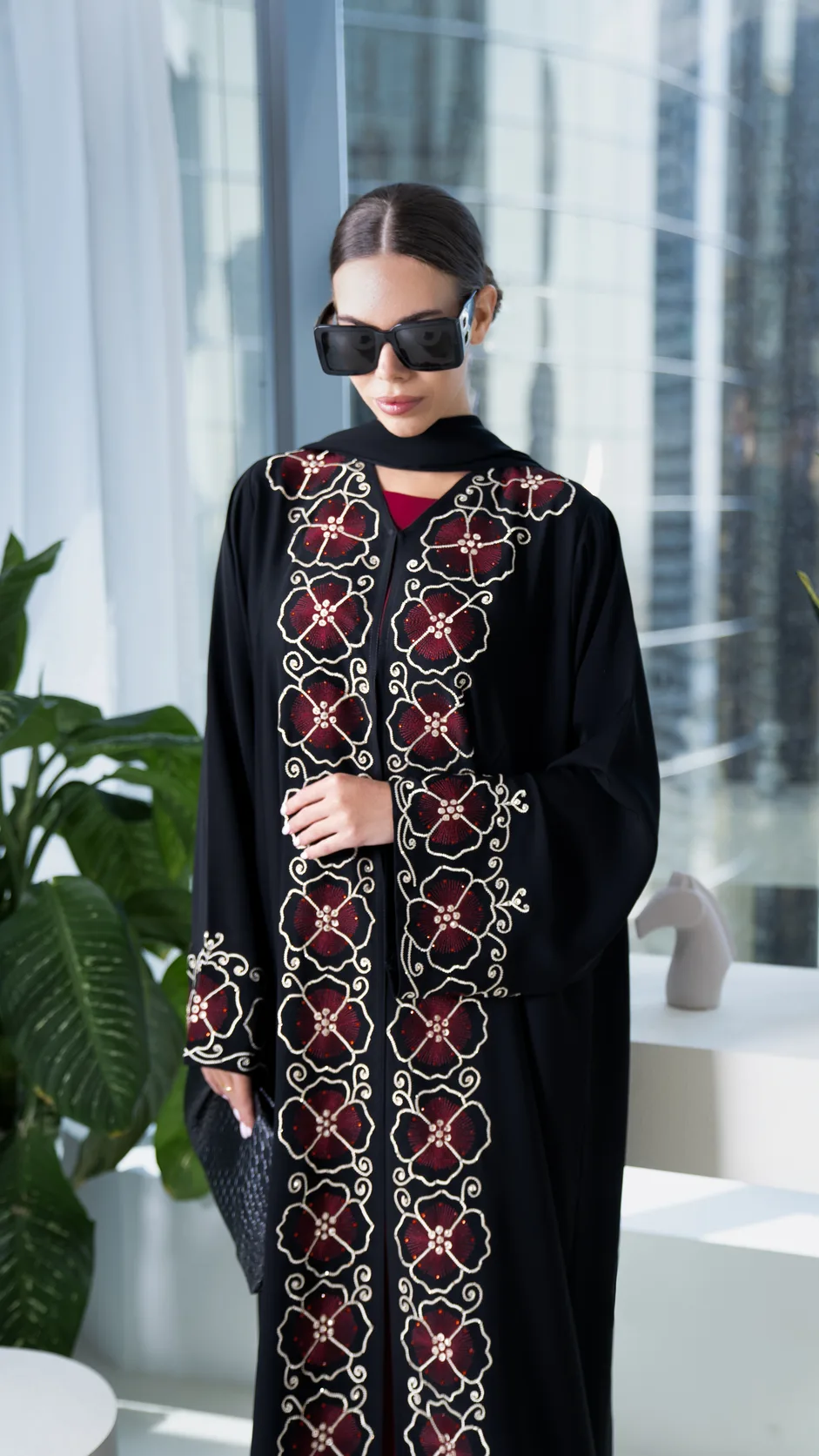
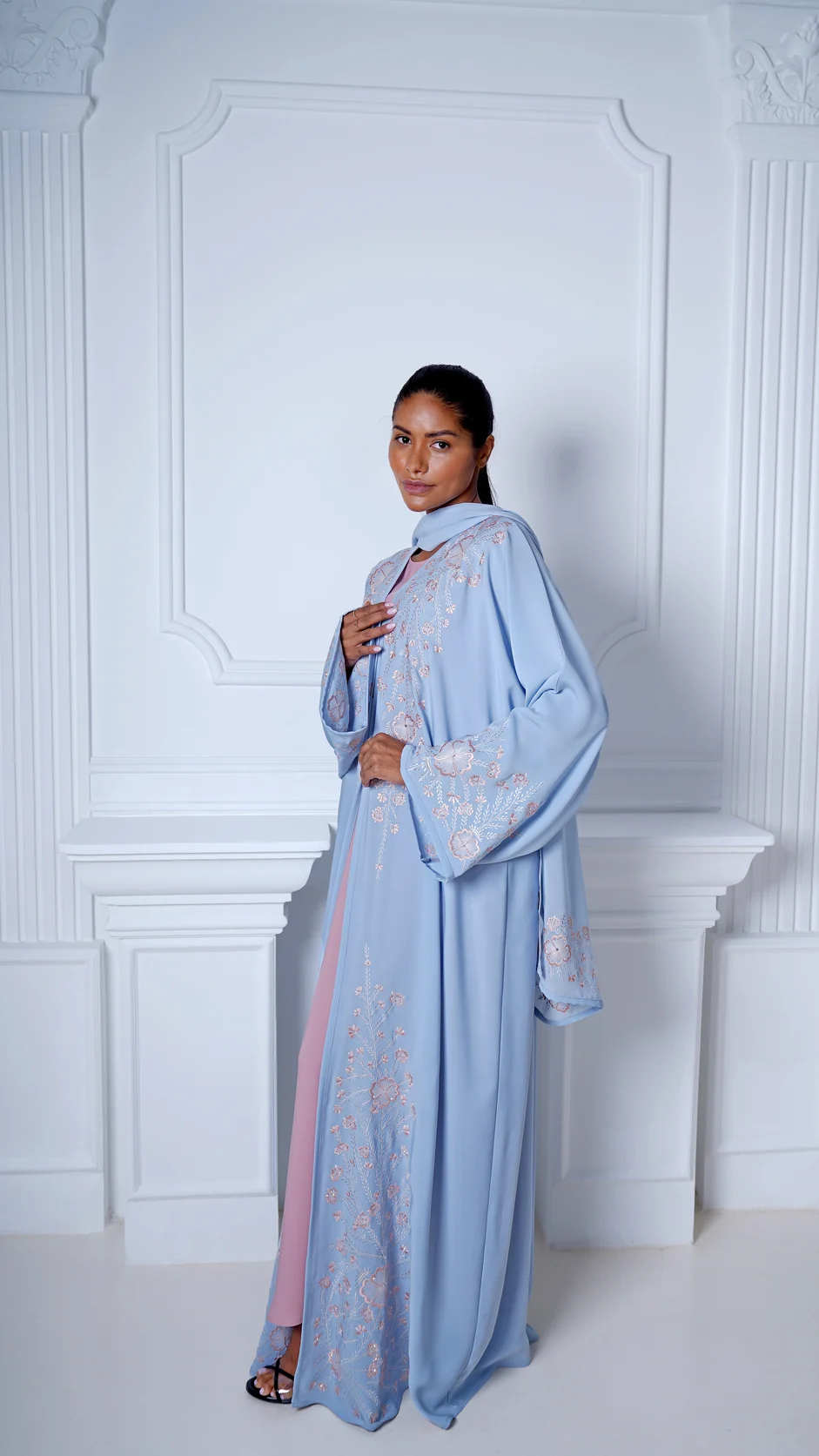
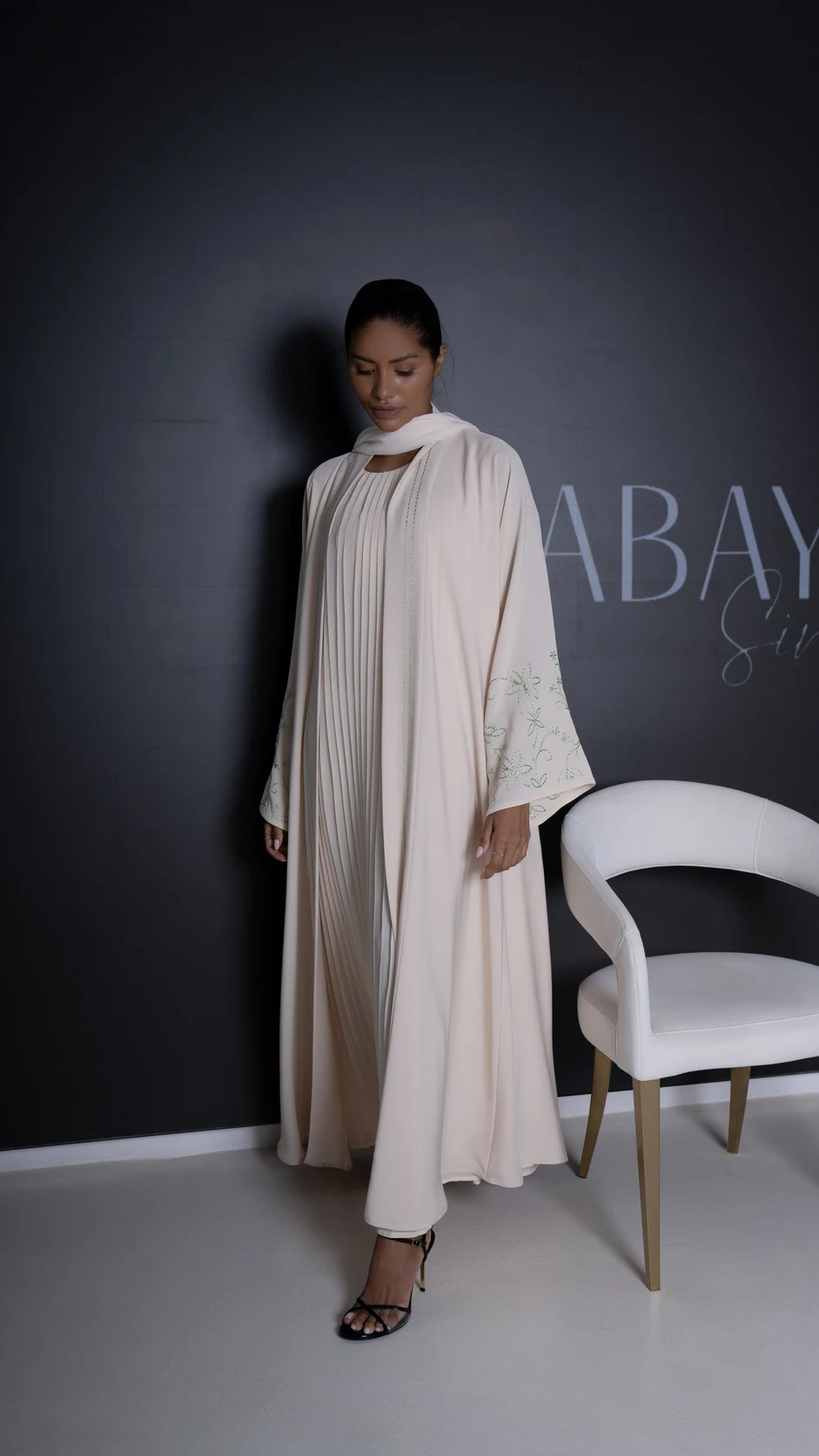
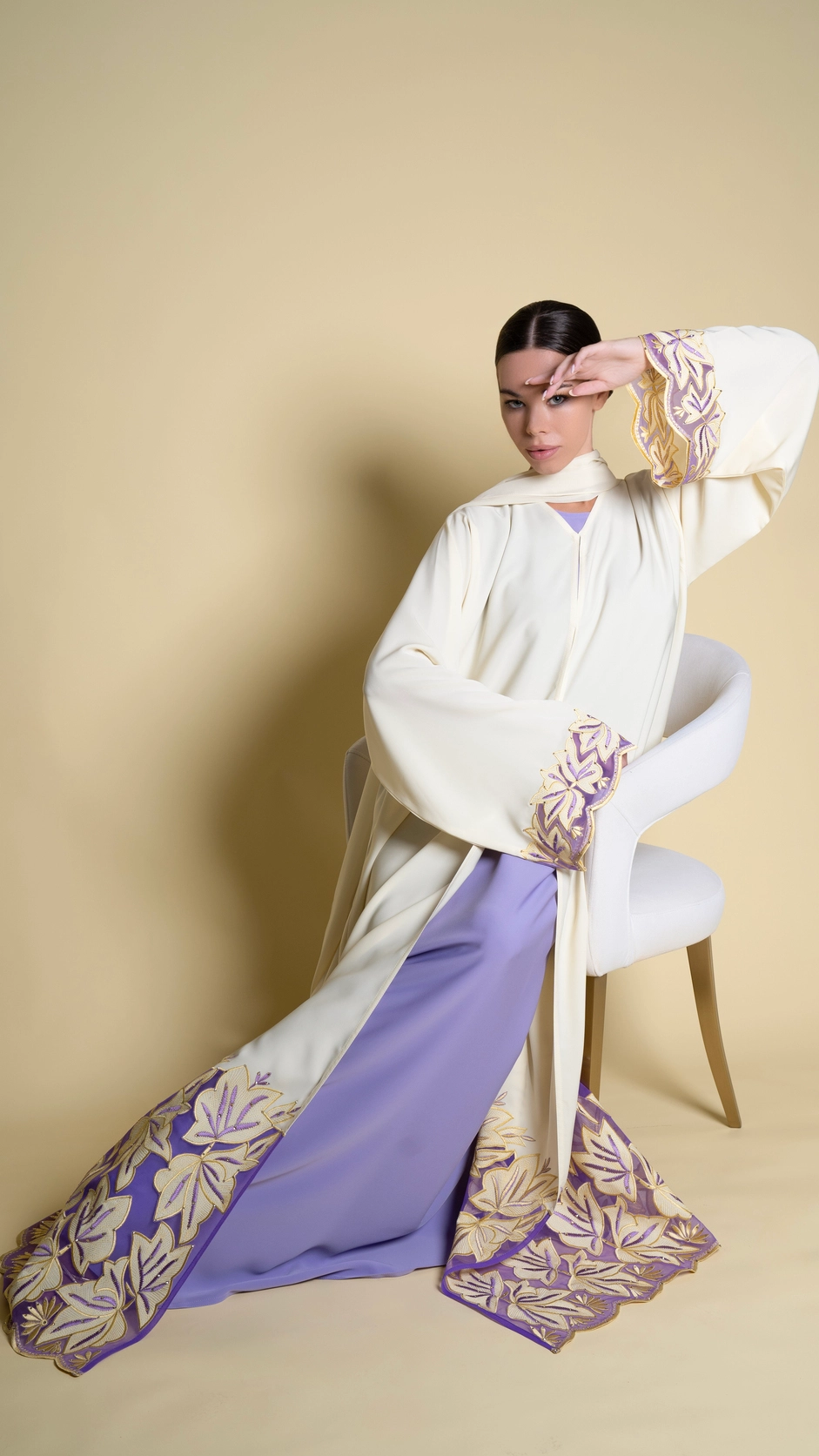
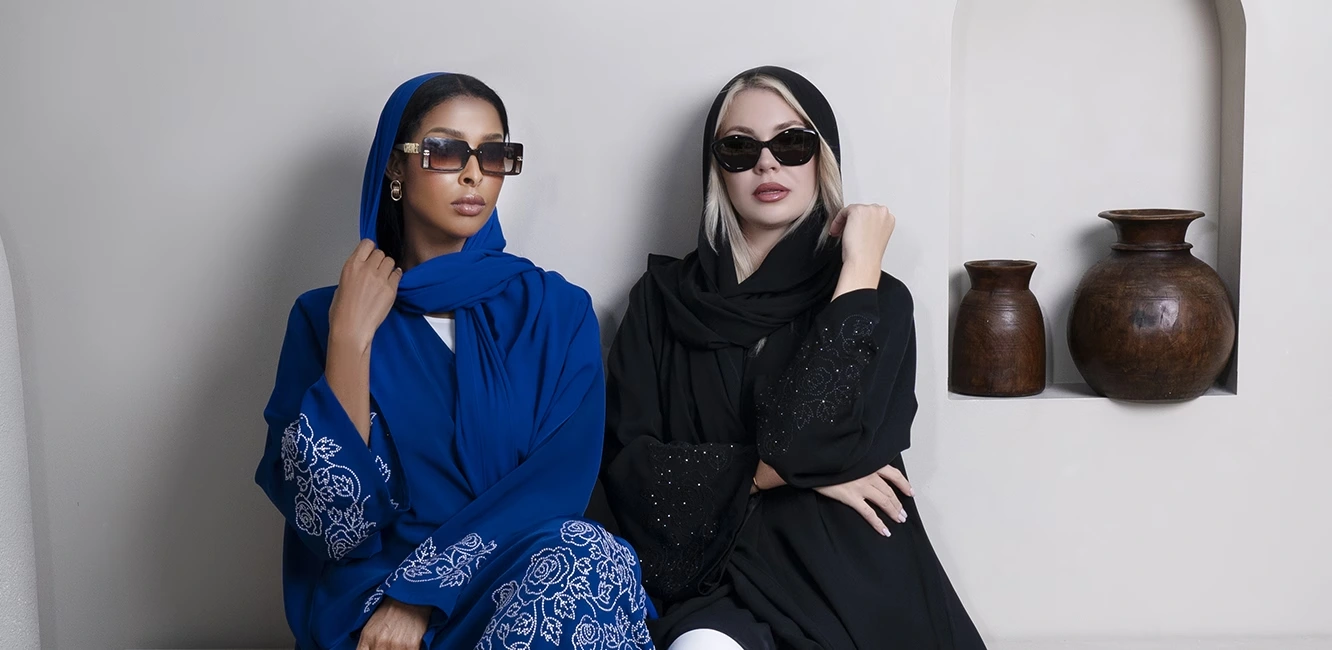
Floral embroidery has become one of the most beloved design choices in custom abayas, and it’s easy to see why. Whether it's a hint of delicate vines cascading down the sleeves or bold, blooming motifs across the front panels, florals effortlessly blend femininity with timeless elegance. Among the most popular floral choices are roses and peonies—classic symbols of love and beauty. For those seeking a fresh, contemporary twist, wildflower embroidery offers a soft, youthful charm. With every stitch, floral patterns transform a custom abaya into a personal expression of grace and style.
Arabic Calligraphy Embroidery
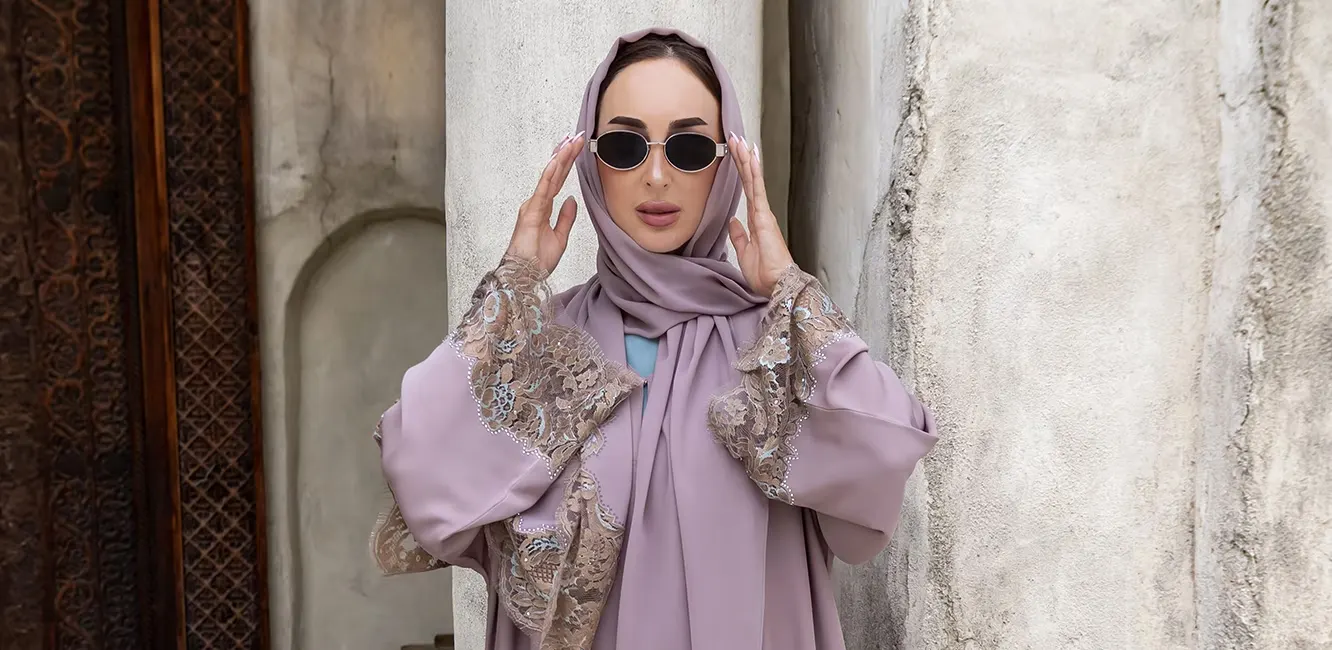
Arabic calligraphy on custom abayas is more than just decoration—it's a powerful expression of cultural identity and artistic heritage. From poetic verses to meaningful words like - حب - (love) and - سلام - (peace), each embroidered phrase tells a story, often adorning the cuffs, hem, or back of the abaya with graceful elegance. Some women choose lines from renowned poets like Rumi, adding a layer of depth and personal significance to their garments. Leading Saudi brand Abadia has embraced this tradition beautifully, often collaborating with local artists to craft limited-edition abayas that merge fashion with soulful storytelling. It's a style choice that speaks volumes—refined, thoughtful, and deeply rooted in tradition.
Nature-Inspired Patterns
Nature-inspired embroidery brings a soulful, storytelling element to custom abaya designs. Beyond classic florals, motifs like palm leaves, graceful birds, and flowing desert dunes add visual depth and a serene connection to the natural world. These designs often come to life in earthy tones—think sand, olive, and soft gold—enhanced with multi-thread shading to mimic the richness of nature’s textures. Palm fronds reflect the essence of the Gulf landscape, while feathers and birds evoke a sense of freedom and elegance. Abstract waves and dunes, meanwhile, offer a modern interpretation of the region’s beauty. It’s a style that feels grounded, poetic, and effortlessly refined.
Modern Minimalist Embroidery
For women who appreciate quiet elegance, subtle embroidery is becoming a favorite in custom abaya design. This refined style uses tone-on-tone stitching—threads that match the base fabric—to create a barely-there effect that feels modern and sophisticated. You’ll often find these delicate details at the sleeve ends, along pockets, or softly tracing the seams, making them perfect for everyday wear or a polished, professional look. Minimalists and young professionals especially gravitate toward this trend, pairing it with premium fabrics like Nida or soft crepe. Instead of heavy embellishments, the focus is on fine craftsmanship and clean lines—a true celebration of understated luxury.
Swarovski and Beaded Embellishments
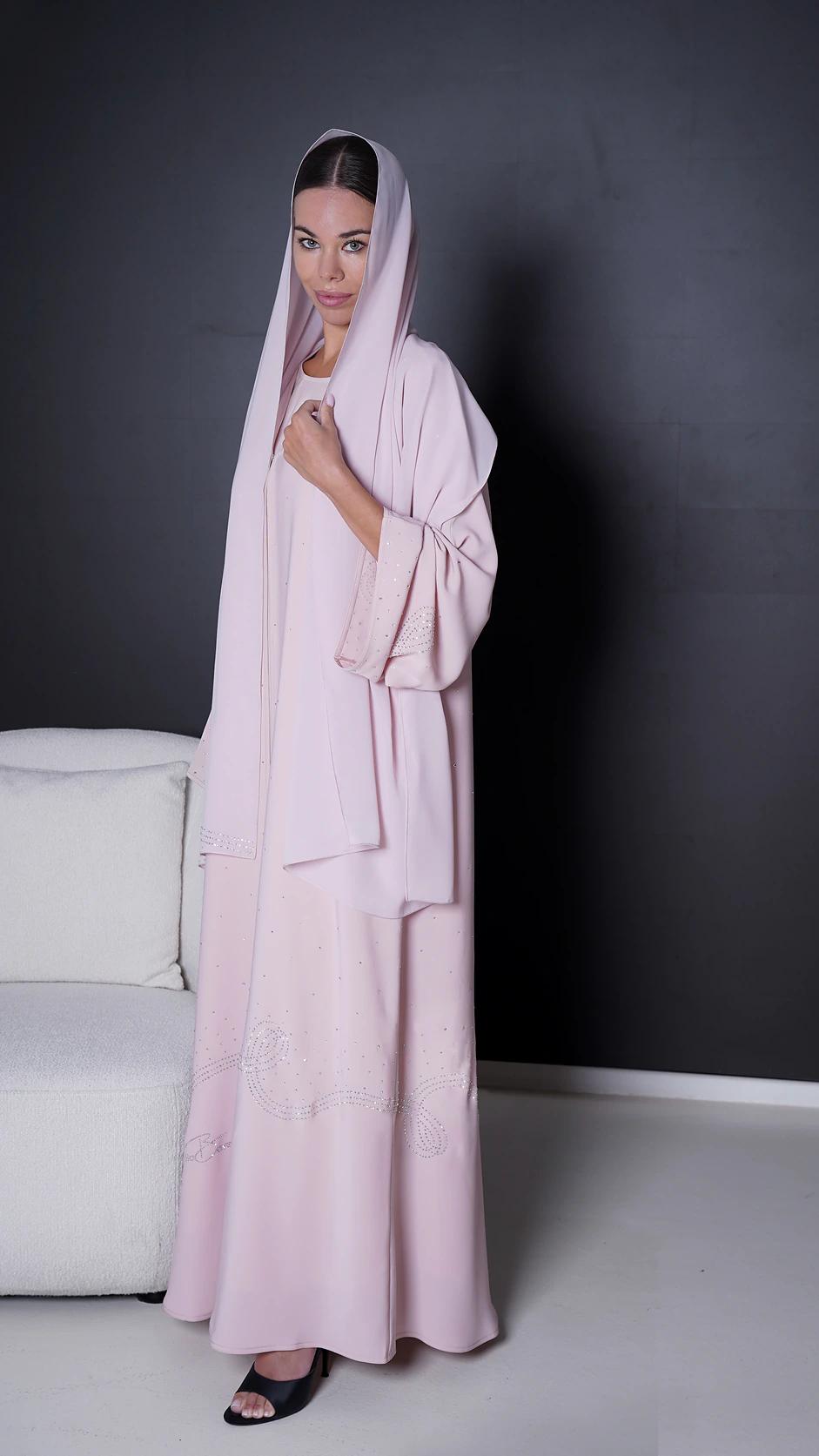
For those special occasions when only the most luxurious details will do, combining embroidery with Swarovski crystals or hand-sewn beads transforms a custom abaya into a true statement piece. This elegant fusion adds sparkle and texture, making it a popular choice for weddings, evening events, and festive celebrations. Current trends include intricately beaded borders along the hem, crystal accents woven into floral or geometric embroidery, and matching embellishments on the sheila for a cohesive, radiant look. The result is a design that catches the light—and every eye in the room—while still honoring the timeless elegance of traditional abaya craftsmanship.
How to Design Your Own Custom Embroidered Abaya
Designing a custom abaya with embroidery is a creative journey that allows you to turn a vision into a wearable work of art. Start by identifying the purpose—whether it’s for daily elegance, a special event, or a meaningful gift, your design choices will reflect that intention. Next, choose the base fabric wisely; Nida, crepe, chiffon, and silk each offer a unique feel and flow. When it comes to embroidery, think about the type and placement—perhaps a subtle sleeve detail, a bold back motif, or an intricate all-over design. Color matters too: while black with gold or silver embroidery is always timeless, soft pastels and rich jewel tones are growing in popularity. Most importantly, partner with a skilled tailor or atelier known for their embroidery work—review their portfolio, check client feedback, and ask for a sketch or fabric swatch to ensure you're aligned. And here’s a useful tip: many premium abaya boutiques in the UAE and Saudi Arabia now offer virtual consultations, making it easier than ever to bring your dream design to life from anywhere in the world.
Conclusion
When it comes to custom abayas, embroidery isn’t just decoration—it’s the heart of the design. From delicate florals to bold geometric lines, Arabic calligraphy to nature-inspired motifs, each pattern tells a story that blends tradition with personal style. Whether you’re drawn to subtle elegance or ornate craftsmanship, the right embroidery can elevate your abaya dress into a timeless statement piece. As trends evolve, one thing remains constant: embroidery will always be a powerful way to express identity, artistry, and cultural pride through fashion.