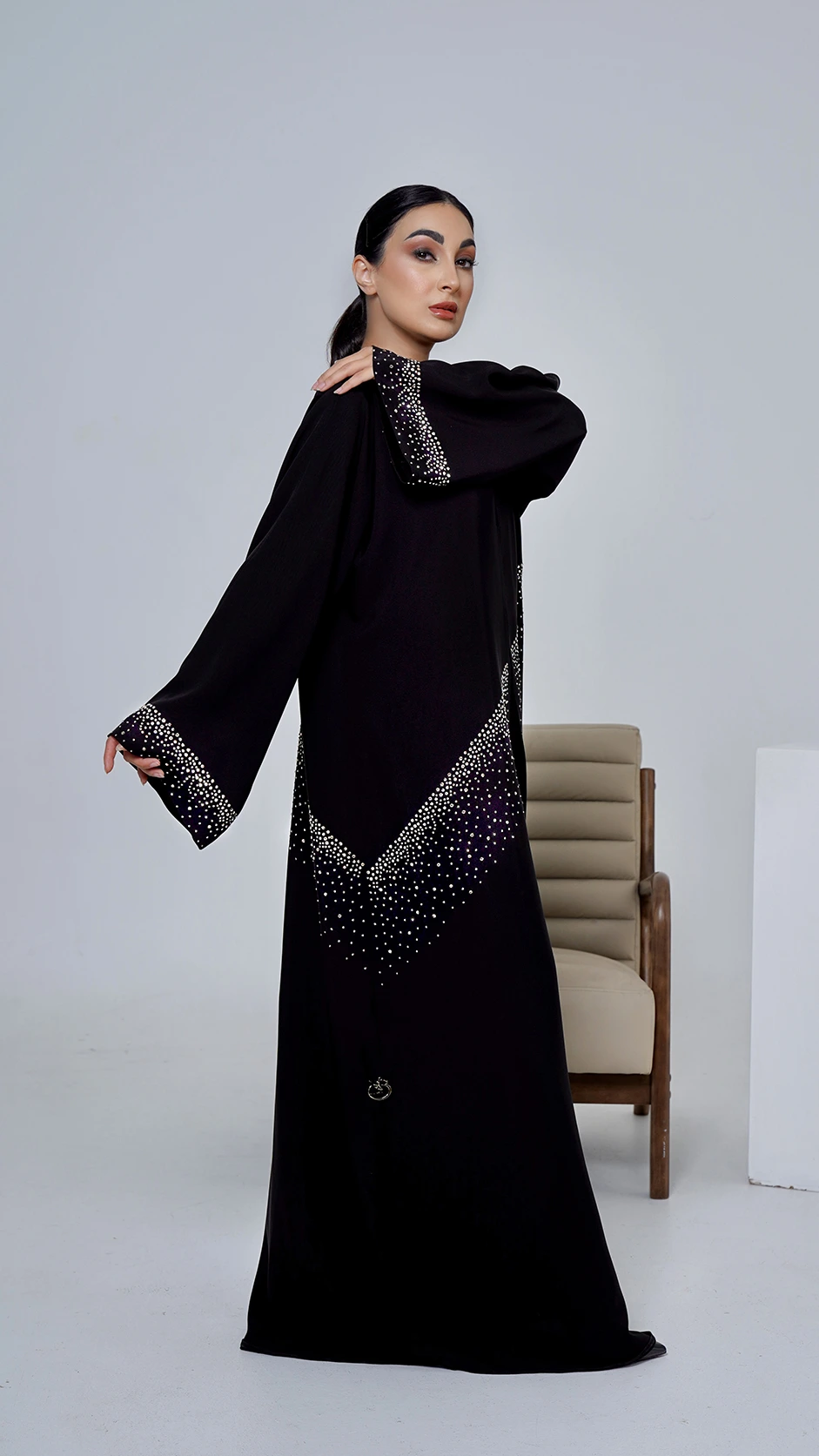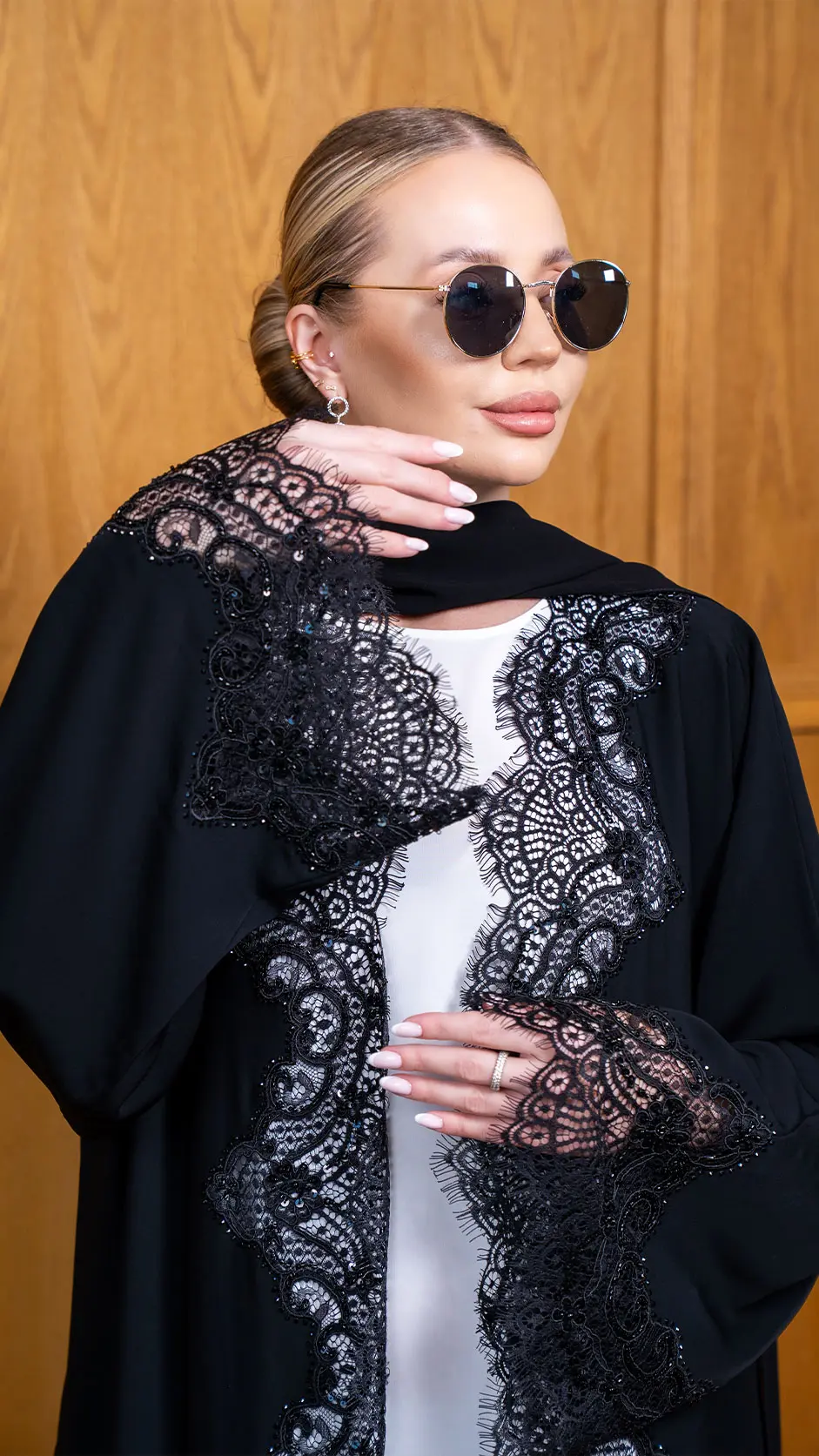
-
Your shopping cart is empty!
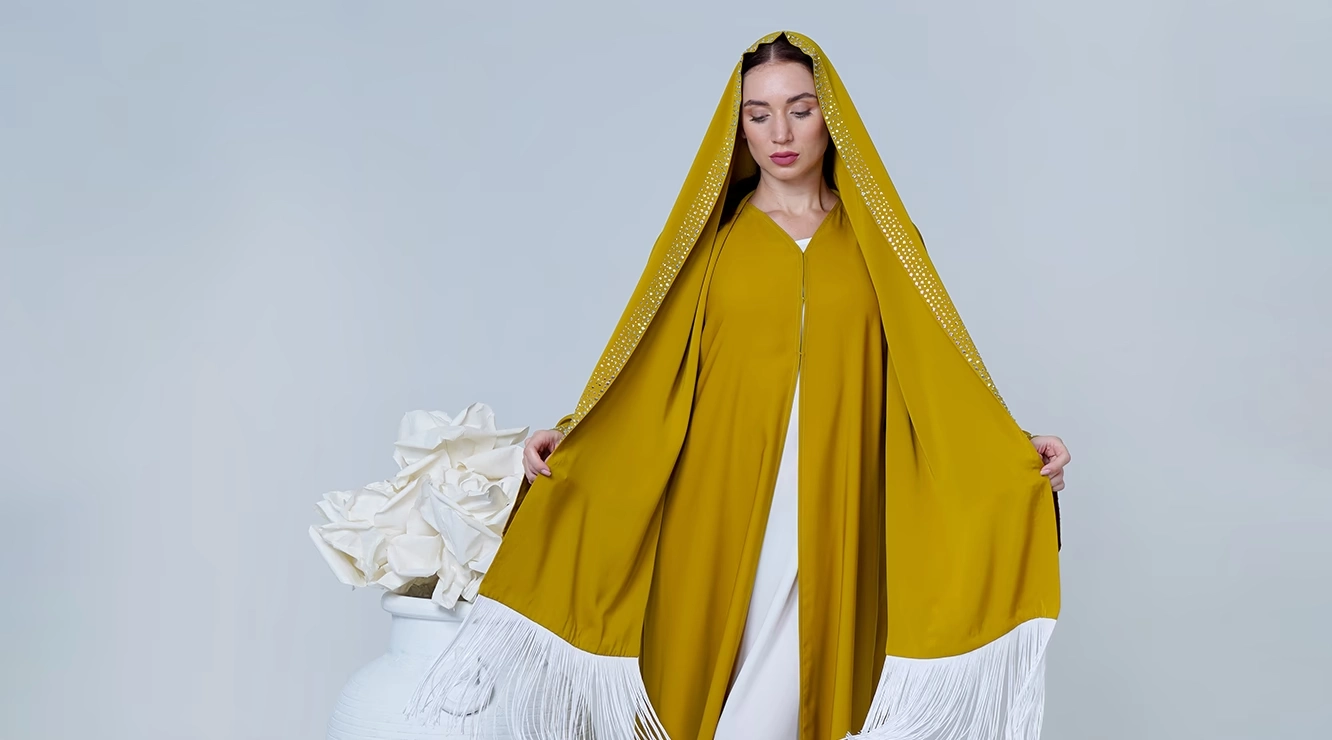
The abaya is far more than a simple garment; it embodies modesty, grace, and cultural heritage. For today’s modern woman in Dubai, the choice between ready-to-wear (RTW) and custom abaya is both exciting and nuanced. Each option brings its own set of benefits, offering something unique to suit different needs and lifestyles.
But how do you decide which is right for you? Is it the convenience and variety of RTW, or the personalization and exclusivity of custom-made? This article dives into the key differences, advantages, and factors to consider, helping you navigate this decision with confidence and style.
The Abaya: A Blend of Tradition and Modern Style
The abaya cloth carries deep cultural and historical significance in the Middle East, where it symbolizes modesty and reflects both religious and traditional values. Over time, this iconic garment has evolved from a simple black cloak into a sophisticated fashion statement, offering styles that range from elegant minimalism to lavish designs adorned with embroidery, crystals, and lace. With growing demand, the market now offers a wide variety of choices, including convenient ready-to-wear abayas and exclusive custom-made creations. Each option serves distinct needs, making it essential to understand their unique benefits and how they align with individual preferences and lifestyles.
Ready-to-Wear vs. Custom-Made: A Side-by-Side Comparison
Ready-to-wear abayas are convenient and affordable, offering standard sizes and styles for quick purchases. In contrast, custom-made abayas provide a personalized touch, tailored to individual preferences in fabric, fit, and design, resulting in a unique garment that reflects the wearer’s personality. Both options cater to different needs and lifestyles. The table below compares them.
| Aspect | Ready-to-Wear | Custom-Made |
| Fit | Standard sizing, may require alterations | Tailored to your exact measurements |
| Uniqueness | Mass-produced, may lack exclusivity | One-of-a-kind design |
| Convenience | Instant availability | Requires time for design and production |
| Cost | Generally more affordable | Higher cost due to customization |
| Sustainability | Mass production can lead to waste | Made-to-order reduces excess production |
| Design Options | Limited to what’s available in-store or online | Unlimited, based on personal preferences |
| Occasion Suitability | Suitable for everyday wear and casual events | Ideal for special occasions and formal events |
Choosing the Best Option: Key Tips to Consider
Choosing between ready-to-wear and custom-made abayas often depends on the occasion, budget, and personal priorities. For casual outings or everyday wear, ready-to-wear abayas are a convenient and affordable choice. However, for special events like weddings or formal gatherings, a custom-made abaya can provide the elegance and uniqueness required.

If affordability is a priority, ready-to-wear options are more practical, but if you value quality and exclusivity, investing in a custom-made design is worthwhile. Time and fit are also important considerations. Ready-to-wear abayas are perfect for last-minute needs, offering immediate availability, while custom-made designs require weeks or months for production. Additionally, if standard sizing doesn’t work for you, custom-made abayas ensure a flawless fit tailored to your measurements. On the other hand, if you’re comfortable with standard sizes, ready-to-wear abayas remain a reliable and time-efficient option.
Why Choose a Custom Abaya
In recent years, the fashion landscape has shifted towards embracing unique and personalized designs, with the Middle Eastern abaya market leading the way. Custom abayas seamlessly blend tradition with modernity, offering women the opportunity to create garments that reflect their personal style while honoring cultural heritage. Dubai, known as a global fashion hub, has been at the forefront of this trend.
Steps to Buying a Custom Abaya
The process of buying a custom abaya is crucial because it ensures that the final piece fits your unique style, needs, and occasion perfectly. By understanding your specific requirements from the beginning, you can make thoughtful choices regarding fabric, design, and embellishments that align with your personal preferences.
-
Understand Your Needs
Before designing your abaya, it’s essential to identify its purpose. Is it for a formal event, such as a wedding or gala? Do you need an everyday piece for work or casual outings? Perhaps you’re looking for seasonal styles, like lightweight summer abayas or cozy winter ones. Defining your needs will help you choose the most suitable design elements.
-
Select the Style
Choosing the right style ensures that your abaya fits your personality and requirements. Consider options such as the classic straight-cut abaya, perfect for any occasion, or contemporary styles with modern cuts like asymmetrical hemlines or draped designs. Farasha-style abayas offer a flowing, butterfly-like look, while cap-cut styles provide a simple yet chic modern twist. There are countless styles to explore, so select one that complements your aesthetic.
Select the Fabric
Fabric is the foundation of any abaya, and your choice should align with the occasion and season. Crepe is lightweight and breathable, making it ideal for daily wear, while silk is luxurious and flowing, perfect for formal events. Chiffon’s soft, sheer texture is great for layered or summer designs, and Nida fabric is known for its premium softness and elegance. For colder months, velvet provides a rich, warm option.

Customize the Design
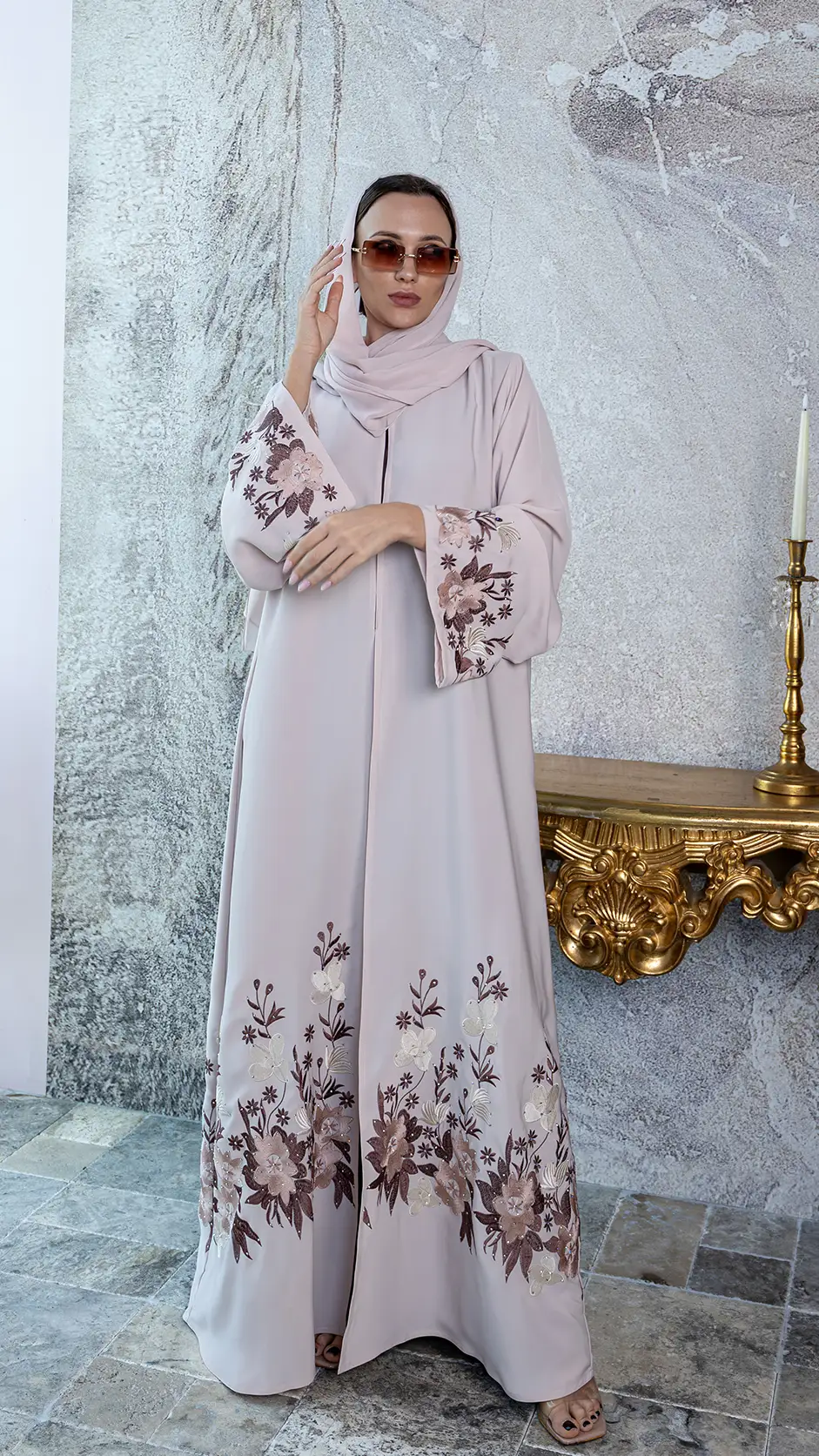
This is the stage where your creativity takes center stage. Work closely with your designer to craft an abaya that matches your vision. You can choose intricate design techniques like laser cuts or computer-generated patterns. Embroidery adds a personalized touch, whether through traditional motifs or floral patterns. While black remains timeless, modern abayas feature muted tones like beige, navy, and pastels. You can also customize the length—ankle-length, floor-length, or layered designs—and add embellishments like crystals, pearls, or lace for sophistication.
-
Finalize the Details
After finalizing the design, confirm the key details to ensure a smooth process. Accurate measurements are crucial, so work with a professional tailor to achieve a perfect fit. Be mindful of the timeline, as custom abayas can take weeks or months to complete, and plan accordingly. Additionally, discuss your budget upfront to avoid any unexpected costs and ensure the final product meets your expectations.
Conclusion
choosing between ready-to-wear and custom-made abayas ultimately depends on your lifestyle, preferences, and budget. Ready-to-wear options offer convenience and affordability, perfect for those who value quick solutions without compromising on style. On the other hand, custom-made abayas provide a unique touch, tailored to your exact measurements and design preferences, making them ideal for special occasions or creating a signature look. By understanding the pros and cons of each option, you can make a well-informed decision that aligns with your needs.
-941x1673.webp)